Bingo Card: A Guide to the 5x5 Bingo Grid

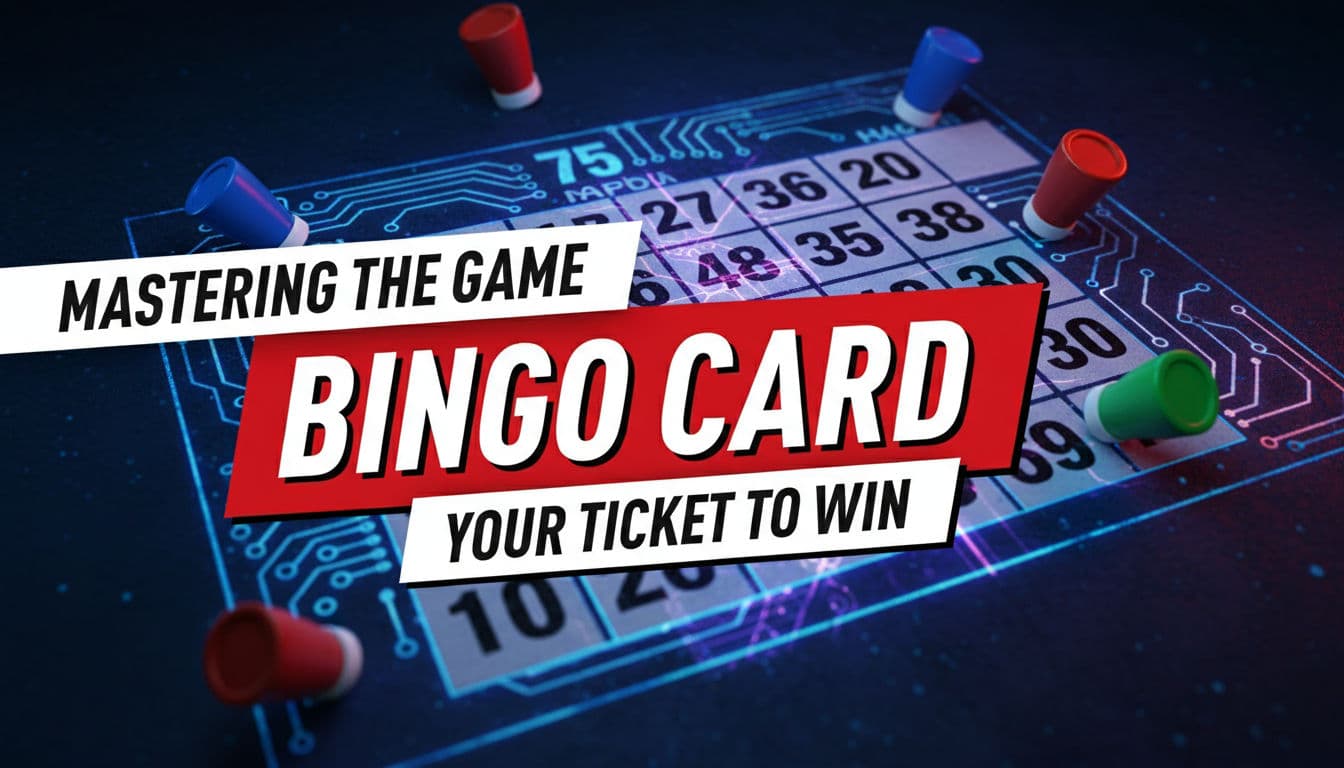
The bingo card is the heart of the game, a simple yet iconic 5x5 grid that holds the key to victory. It contains 24 randomly assigned numbers and a central 'Free' space, creating a unique ticket for every player. Understanding the layout, from the B-I-N-G-O columns to the number distribution, is fundamental for anyone looking to join the fun in a bingo hall or an online casino.
Understanding the Core of the Game
At the center of every exciting round of bingo lies the player's fundamental tool: the bingo card. This simple piece of paper or digital display is your personal ticket to winning. A standard card, used in 75-ball bingo, features a 5x5 grid. This grid contains 25 squares, but only 24 of them have numbers. The square right in the middle is a special gift to players, known as the 'Free' space.
As the game has transitioned into the digital era, the experience has become even more accessible through the modern online casino platform. In these virtual environments, players can manage multiple cards simultaneously, with automated features that ensure no winning numbers are ever missed. This technological leap enables a faster pace and more dynamic patterns than traditional hall games. Whether you are playing for a modest prize or a massive progressive jackpot, understanding the layout and the specific rules of your chosen online casino is essential for mastering the strategy of the game and maximizing your enjoyment.
The Anatomy of a Classic Bingo Card
To truly master the game, you need to understand the card's structure. The iconic design is both logical and crucial for the game's flow.
The B-I-N-G-O Columns: Each of the five columns on the card is headed by a letter from the word 'BINGO'. This isn't just for decoration; it's an organizational system. Each letter corresponds to a specific range of numbers, helping players quickly locate the called numbers.
Number Distribution: In a 75-ball bingo game, the numbers are distributed as follows:
B: Numbers 1-15
I: Numbers 16-30
N: Numbers 31-45
G: Numbers 46-60
O: Numbers 61-75
The Free Space: The central square in the 'N' column is typically marked 'Free'. It acts as a complimentary marked spot, giving every player a strategic head start. This square is considered automatically filled and can be used to complete winning patterns.
How to Play Using Your Bingo Card
Using your card is straightforward. As a caller announces a number, for example, 'B-12', you look under the 'B' column for the number 12. If it's there, you mark it. In a traditional bingo hall, this is done with a special marker called a bingo dauber. When playing online, the software often provides an 'auto-daub' feature that marks the numbers for you, preventing any misses.
"The genius of the bingo card is its simplicity. It's a system of organized chaos that makes every game a unique and fair contest of luck." - Casino Game Designer
Winning with Patterns
A common misconception is that you need to fill the entire card to win. While a full card, or 'blackout', is one type of game, most wins come from completing a pre-determined pattern. Before the game starts, the winning pattern is announced. Common bingo patterns include:
Straight Line: Five marked squares in a row, either horizontally, vertically, or diagonally. The free space can be part of this line.
Four Corners: Marking the number in each of the four corner squares of the grid.
Postage Stamp: Marking a 2x2 square of numbers in any of the four corners.
Digital vs. Physical Cards
The experience of playing a bingo card varies between physical and online environments. Each has its own charm and set of advantages.
Feature | Physical Card | Digital Card (Online) |
|---|---|---|
Marking | Manual marking with a dauber. Requires focus. | Can be marked manually or automatically with auto-daub. |
Card Management | Players can typically handle a few cards at most. | Software can manage dozens or even hundreds of cards simultaneously. |
Social Aspect | Played in a social hall environment. | Often includes chat rooms to simulate social interaction. |
Whether you prefer the tactile satisfaction of stamping a physical card or the convenience of online play, the bingo card remains the unchanged, essential element. Its organized 5x5 grid of numbers is the canvas on which every game of bingo is played, turning random chance into thrilling anticipation.
Regardless of the format, the random distribution of numbers ensures high statistical variance, making every card a unique participant in the unpredictable journey toward a win.
| Pros | Cons |
|---|---|
The 5x5 grid with B-I-N-G-O columns is easy for new players to understand and follow during a game. | When using physical cards, players may miss a called number or mark a space incorrectly, potentially costing them a win. |
The random generation of numbers on each card ensures that no two cards in a single game are identical, giving every player a fair and unique chance to win. | A single card only has 24 numbers, limiting a player's chances compared to someone playing multiple cards at once. |
Related Casino Terms
Best Online Casinos

Vave
4.6Welcome Bonus150% up to 1.5 BTCCashback BonusVariable- Welcome Bonus
- 150% up to 1.5 BTC
- FTD Bonus
- 150% up to 1.5 BTC
- Cashback Bonus
- Variable
- Extra Bonus
- Free Spins
- Platforms


- Browser Support
- Yes
- Mobile Support
- No
- Crypto Support
- Yes
- License
- Republic of Costa Rica
Game types
 No Blackjack
 Baccarat
 No Bingo
 No Craps & dice
 Crash games
 eSports betting
 Jackpot games
 No Keno
 Live games
 Roulette
 No Scratch cards
 Slots
Slots Sports betting
 No Video poker
Payment methods


LTC Casino
4.4Welcome Bonus250% First Deposit Bonus up to $750Cashback BonusNo Cashback- Welcome Bonus
- 250% First Deposit Bonus up to $750
- FTD Bonus
- 250% up to $750
- Cashback Bonus
- No Cashback
- Platforms
- Browser Support
- Yes
- Mobile Support
- No
- Crypto Support
- Yes
- License
- No License
Game types
BlackjackBaccaratNo BingoNo Craps & diceCrash gamesNo eSports bettingJackpot gamesNo KenoLive gamesRouletteNo Scratch cardsSlotsNo Sports bettingNo Video pokerPayment methods


Jack
4.6Welcome Bonus100 Free Spins + Risk-Free Sports BetCashback BonusUp to 30%- Welcome Bonus
- 100 Free Spins + Risk-Free Sports Bet
- Cashback Bonus
- Up to 30%
- Extra Bonus
- 100 Free Spins
- Platforms
- Browser Support
- Yes
- Mobile Support
- No
- Crypto Support
- Yes
- License
- Curaçao Gaming Control Board
Game types
BlackjackBaccaratNo BingoNo Craps & diceCrash gameseSports bettingJackpot gamesNo KenoLive gamesRouletteScratch cardsSlotsSports bettingNo Video pokerPayment methods


Duel
4.2Welcome Bonus50% Instant RakebackCashback BonusFix 50%- Welcome Bonus
- 50% Instant Rakeback
- Cashback Bonus
- Fix 50%
- Extra Bonus
- 100% RTP Games
- Platforms
- Browser Support
- Yes
- Mobile Support
- No
- Crypto Support
- Yes
- License
- License No. ALSI-202411026-FI1.
Game types
No BlackjackBaccaratBingoCraps & diceCrash gameseSports bettingJackpot gamesNo KenoLive gamesRouletteNo Scratch cardsSlotsSports bettingVideo pokerPayment methods

Stake US
4.6Welcome BonusFree 25 SC + 250K Gold Coins- Welcome Bonus
- Free 25 SC + 250K Gold Coins
- Extra Bonus
- 1 Stake Cash + 10,000 Gold Coins Free - Every Day
- Platforms
- Browser Support
- Yes
- Mobile Support
- No
- Crypto Support
- Yes
- License
- Sweepstakes (US Federal Law)
Game types
BlackjackBaccaratNo BingoCraps & diceCrash gamesNo eSports bettingNo Jackpot gamesNo KenoLive gamesRouletteScratch cardsSlotsNo Sports bettingNo Video pokerPayment methods

Shuffle US
4.7Welcome BonusFree 1 Shuffle Coin + 25,000 GC- Welcome Bonus
- Free 1 Shuffle Coin + 25,000 GC
- Extra Bonus
- Daily Log in Bonus
- Platforms
- Browser Support
- Yes
- Mobile Support
- No
- Crypto Support
- Yes
- License
- Sweepstakes Model — Munyon Canyon Ltd (BVI)
Game types
BlackjackBaccaratNo BingoNo Craps & diceCrash gamesNo eSports bettingNo Jackpot gamesNo KenoLive gamesRouletteNo Scratch cardsSlotsNo Sports bettingNo Video pokerPayment methods