Walk

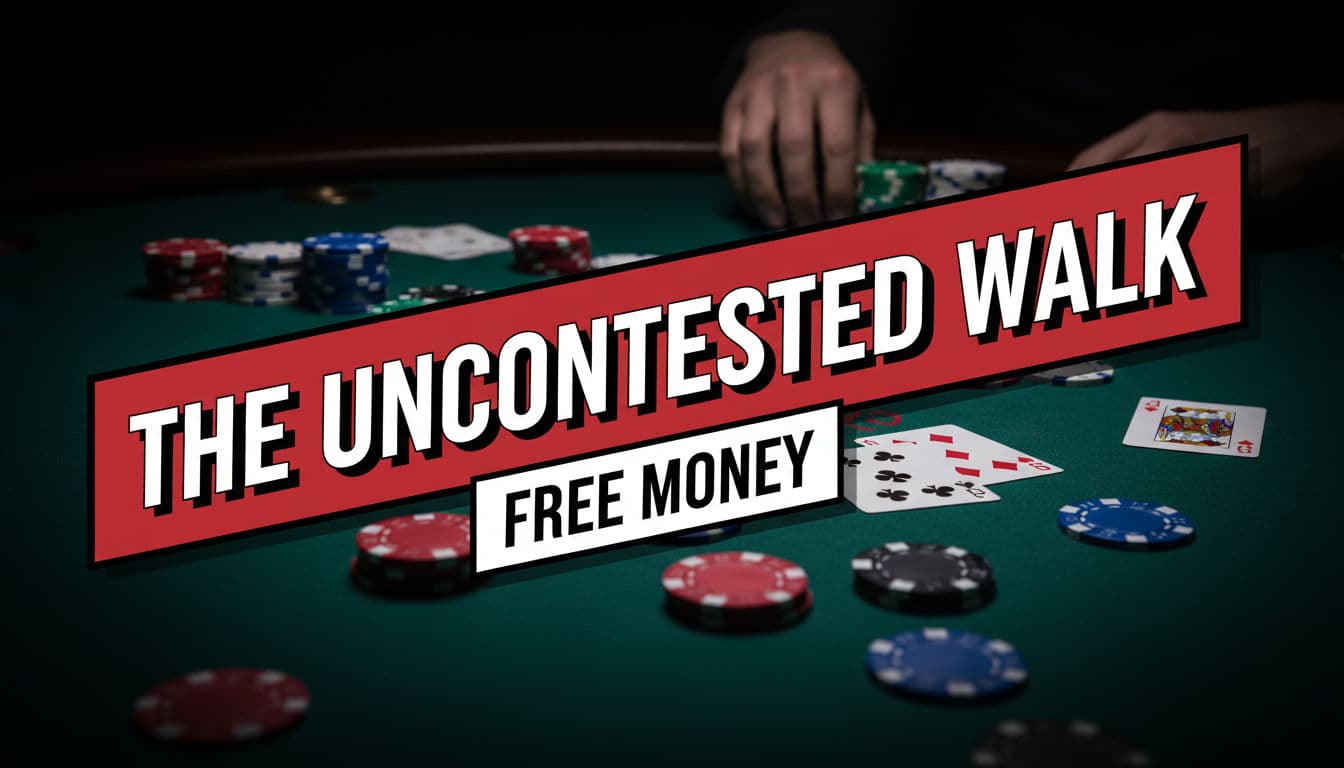
In the intricate world of poker, where every decision carries weight and every chip tells a story, certain scenarios stand out due to their simplicity and unique implications. One such instance is the Walk – a term that describes a situation where the big blind wins the pot without anyone else entering the hand. While seemingly minor, understanding the mechanics and strategic nuances of a walk is crucial for any player looking to deepen their grasp of the game and exploit subtle advantages at the table. This comprehensive guide dissects the Walk, revealing its significance beyond merely collecting the blinds.
Defining the Poker Walk: An Uncontested Victory
A poker walk occurs when all players at the table, from the small blind to the player before the big blind, fold their hands. Consequently, the big blind wins the pot, which consists of the small blind and any antes. This phenomenon is frequently observed when playing online , where the fast-paced gameplay often leads to more frequent walks. No cards are dealt beyond the hole cards, and no action takes place post-flop. It's a clean win for the big blind, often mentioned in any poker glossary.
The Mechanics of a Walk in Poker
Pre-flop Action: The hand begins as usual with the blinds posted.
Sequential Folds: Each player in turn, starting from under the gun, opts to fold to big blind.
Big Blind Wins: The action reaches the big blind, who faces no raises or calls. Since they are the only player left, they are declared the winner of these uncontested blinds poker pots.
No Showdown: The hand concludes immediately, often without the big blind even needing to show their cards (though in some house rules, they might be required to briefly expose one or both).
While a walk is a rare occurrence in a typical, active poker game, its possibility always looms and informs pre-flop strategy, especially regarding blind defense strategy.
Strategic Implications and Player Psychology
The concept of a walk, though simple in execution, carries significant strategic weight. For the big blind, it is a small but welcome boon - free money without having to risk a single chip beyond their compulsory blind contribution. However, for the rest of the table, allowing a walk can signal a combination of factors, from tight play to disinterest in marginal hands. It is often observed that players' decisions in these moments are influenced by their level of mindfulness, which helps them maintain focus and avoid unnecessary risks at the poker table.
When a Walk is Beneficial for the Big Blind
For the player in the big blind, a walk is always a net positive. It represents:
Risk-Free Profit: The big blind effectively wins a portion of the pot (the small blind and antes) without any further investment or risk.
Blind Protection: It validates the inherent advantage of being in the blinds, where a small investment can sometimes yield a return without conflict.
Table Read: Frequent walks can indicate a particularly tight or passive table, prompting the big blind poker strategy (and other players) to consider widening their opening ranges or attempting more blind steals.
The Cost of Giving a Walk in Poker
From the perspective of players not in the big blind, allowing a walk means forfeiting the pot. This happens for various reasons:
Weak Holdings: The most common reason is that no player has a hand strong enough to warrant opening or calling against the big blind.
Table Dynamics: Players might be playing cautiously, especially if the big blind is perceived as strong or aggressive.
Tournament Play: In certain tournament stages, particularly near the bubble, players may fold to big blind more readily to avoid marginal confrontations, leading to more walks.
A skilled player will be aware of the frequency of walks and adjust their blind defense strategy accordingly.
Walk Scenarios in Different Poker Variants
The walk primarily applies to flop games like No-Limit Hold'em and Pot-Limit Omaha, where blind structures are central. In other variants:
Stud Games: Do not feature blinds in the same way, so a walk as described doesn't occur.
Draw Games: May involve blinds or antes, and similar uncontested blindsscenarios can arise, though the term is most strongly associated with the traditional blind-based structure.
Regardless of the specific variant, the underlying principle – winning a forced bet without opposition – remains a unique aspect of big blind poker strategy.
| Pros | Cons |
|---|---|
The big blind wins the pot, including the small blind and any antes, without needing to invest additional chips or face any competition. | For players who fold, it's a missed opportunity to play a hand, potentially giving away information about their conservative pre-flop range. |
Frequent walks can signal a tight or passive table, giving other players an insight into opponents' tendencies and potential for more blind stealing opportunities. | If a table frequently allows walks, it might suggest a lack of aggression or willingness to contend for pots, which can be exploited by more aggressive players. |