Throwing a Party

Understanding the Poker Party Phenomenon in Poker
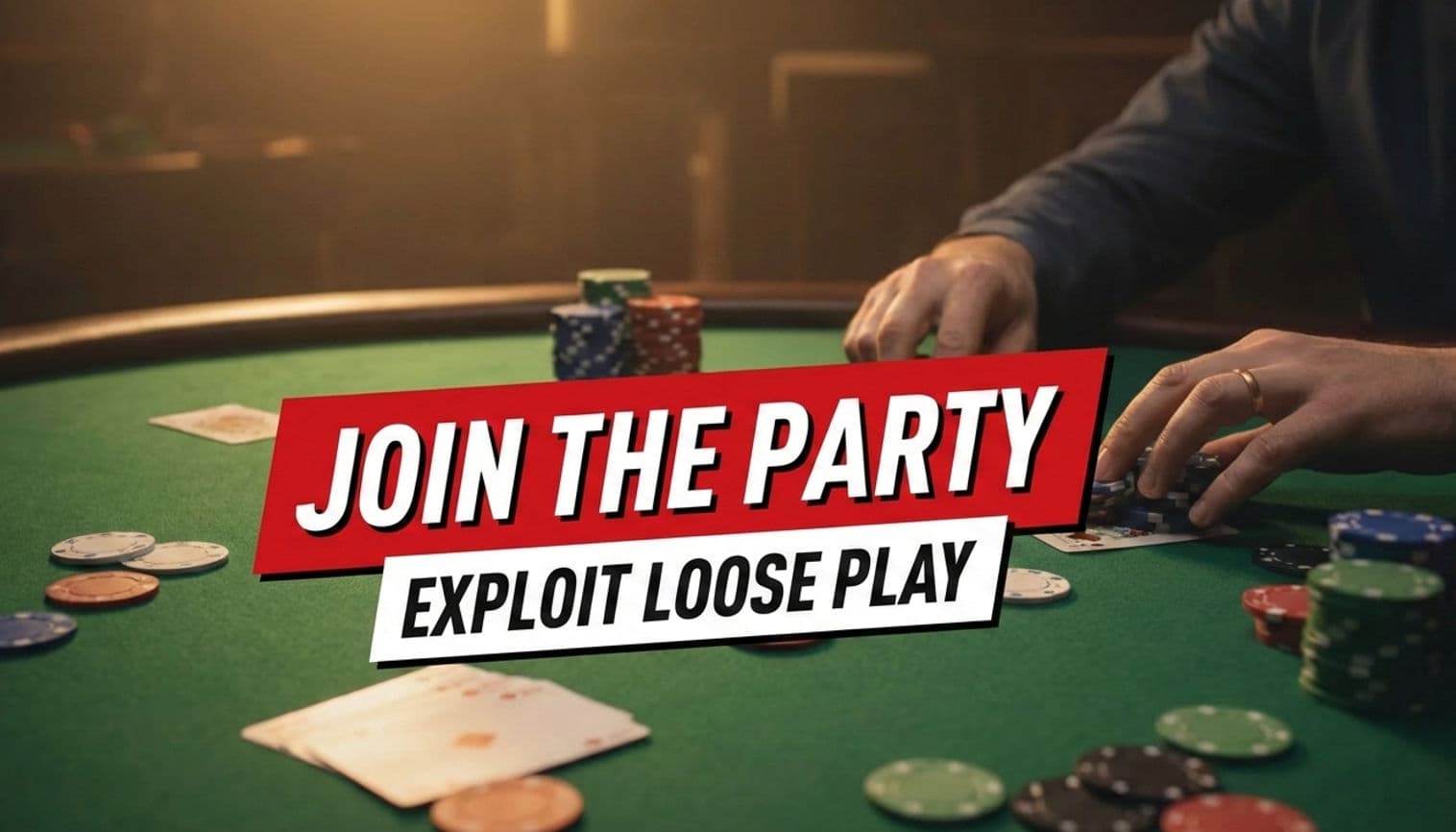
In the vibrant lexicon of poker, few terms evoke as much excitement and potential profitability for seasoned players as "throwing a party". This colloquial expression isn't about celebration in the traditional sense, but rather describes a specific, highly dynamic, and often lucrative game environment. A poker party signifies a table where multiple loose or amateur players are enthusiastically and frequently contributing significant monetary amounts to the pot. It's a scenario characterized by abundant action, larger than average pot sizes, and a general lack of disciplined play, creating a fertile ground for skilled players to capitalize.
For the uninitiated, such a game might seem chaotic, but for an expert, it represents a prime opportunity. Identifying and correctly navigating these festive, yet financially volatile, poker gatherings is a cornerstone of advanced poker strategy. This guide delves deep into the mechanics of a poker party, offering analytical insights into player behaviors, strategic considerations, and actionable advice to help you maximize your winnings when the chips are flying fast and free.
What Defines a Poker Party? The Anatomy of Loose Play
At its core, a Poker Party is one of the more colorful poker terms, often used to describe loose poker games where players exhibit a very high VPIP (Voluntarily Put Money In Pot) and PFR (Pre-flop Raise) percentage. These are often recreational players who prioritize action and entertainment over strict game theory optimal (GTO) play. Key indicators include:
Frequent Multi-way Pots: Several players seeing the flop, often with marginal hands.
Loose Calling: Players calling raises with a wide range of hands, often chasing unlikely draws.
Excessive Betting/Raising: Pot sizes inflate quickly due to players overvaluing hands or simply wanting to gamble.
Emotional Play: Decisions driven by emotion, chasing losses, or getting "stuck" in a hand.
Lack of Positional Awareness: Playing out of position without proper adjustments.
Understanding these traits is the first step. These players are essentially donating chips through suboptimal play, offering immense value to those who maintain discipline. In the modern landscape, where savvy players actively seek out these high-VPIP environments, identifying such action-heavy tables across various online poker sites remains a cornerstone of profitable poker.
Spotting the Celebration: How to Identify a Poker Party
Identifying a high action poker game requires astute observation. Before even sitting down, look for:
Table Talk and Atmosphere: Lively, less serious conversation suggests recreational players.
Stack Sizes: Players rebuying frequently or having erratic stack sizes can be a sign.
Betting Patterns: Observe a few hands. Are there many limpers? Are raises often called by multiple players? Are bluffs frequent and unsuccessful?
Once seated, track VPIP percentages (if using tracking software) or simply pay close attention to who is consistently involved in hands. A table where 3-4 amateur poker players consistently see flops, even after significant pre-flop action, is likely throwing a party.
The Psychology of the Party-Goer: Why They Play Loose
To exploit these players effectively, it's crucial to understand their motivations:
Entertainment Value: For many, poker is a form of entertainment, and action equals fun. Sitting and folding isn't appealing.
Gambler's Fallacy: Believing that if they've folded many hands, they are "due" a win, or if they've lost many pots, their luck must turn.
Misunderstanding Odds: Poor grasp of pot odds, implied odds, and hand equity.
Ego and Stubbornness: Refusing to fold, especially if they've invested chips, or trying to "bully" the table.
Lack of Discipline: Inability to stick to a solid pre-flop or post-flop strategy.
These psychological drivers create predictable leaks that expert players can systematically use. Mastering the art of exploiting bad players is a vital skill that turns a lively table into a highly lucrative session for the disciplined professional.
Strategic Exploitation: Navigating the Party for Profit
Playing in a Poker Party demands a calculated poker strategy adjustment from standard GTO play. Your approach should shift heavily towards value extraction and minimal bluffing to maximize your expected value against erratic opponents.
Patience and Hand Selection
The cardinal rule is patience. Wait for premium hands. In multi-way pots, the equity of speculative hands diminishes, while premium hands like AA, KK, QQ, AK suited, and strong pairs gain immense value due to the higher implied odds and increased likelihood of being paid off. This shift in cash game strategy is fundamental to long-term success.
Aggressive Value Betting
When you have a strong hand, bet it large and bet it often. Loose players are prone to calling with weaker hands or chasing draws with incorrect odds. Maximize your value on every street. Don't be afraid to make large bets; they are often called.
Minimize Bluffing
Bluffing into multiple loose callers is a costly mistake. Their calling range is too wide, and they are less likely to fold. Save your bluffs for heads-up pots against tighter opponents, or rare situations where a very clear fold equity exists against a specific opponent.
Position is Paramount
Playing in position is always advantageous, but it becomes even more critical in party games. Being last to act allows you to observe multiple actions, control the pot size more effectively, and make informed decisions about value betting or pot protection.
Protect Your Strong Hands
With so many players seeing flops, the chances of someone hitting a draw or outdrawing you on later streets increase. Bet strongly to build the pot and deny correct odds to drawing hands, especially on wet boards.
Common Pitfalls: Don't Join the Party Too Enthusiastically
While profitable, these games also pose risks if approached incorrectly:
Getting Caught in the Action: Succumbing to the loose atmosphere and playing too many marginal hands yourself.
Overestimating Your Hand: Believing a mediocre pair is strong enough in a five-way pot.
Tilt: Frustration when a loose player hits a miracle card can lead to emotional play.
Ignoring Stack Sizes: Not adjusting bet sizing based on the effective stack of the loose players.
Maintain discipline, stick to your strategy, and view these games as a business opportunity rather than a personal challenge.
When the Party Winds Down: Adjusting Your Strategy
A Poker Party can be transient. Players might bust, leave, or even tighten up after significant losses. Be prepared to adjust. If the table dynamics shift and the game becomes tighter, revert to a more balanced, GTO-oriented approach. Adaptability is key to long-term success.
In conclusion, "throwing a party" is a delightful term for a strategic goldmine in poker. By understanding its characteristics, identifying the players involved, and employing a disciplined, value-oriented approach, expert players can consistently turn these lively gatherings into significant profit opportunities.
| Pros | Cons |
|---|---|
Loose players make more frequent and significant mistakes, leading to a higher expected value (EV) for skilled opponents who play disciplined poker. | With more players seeing the flop and chasing draws, you'll inevitably run into more bad beats and coolers, even when mathematically ahead, leading to larger swings in your bankroll. |
More action and willingness to call results in larger pots, significantly boosting your winnings when you hit a strong hand and extract maximum value. | The fast-paced, high-action environment can tempt even disciplined players to join the 'party' by playing too many marginal hands or chasing draws themselves, deviating from optimal strategy. |
Amateur players often exhibit more obvious tells, predictable betting patterns, and less sophisticated play, making it easier to deduce their hand strength and exploit their tendencies. | Bluffs are far less effective against players who call too often and are less concerned with pot odds or hand ranges, making it difficult to win pots without showdown value. |
You can comfortably bet large for value on multiple streets, as loose players are far more likely to call with weaker holdings or chasing draws, providing ample chances to build the pot. | Experiencing frequent bad beats from suboptimal play can be mentally taxing and lead to tilt, causing players to make poor decisions and give back their profits. |