Casino Marker Explained: How Casino Credit Lines Work

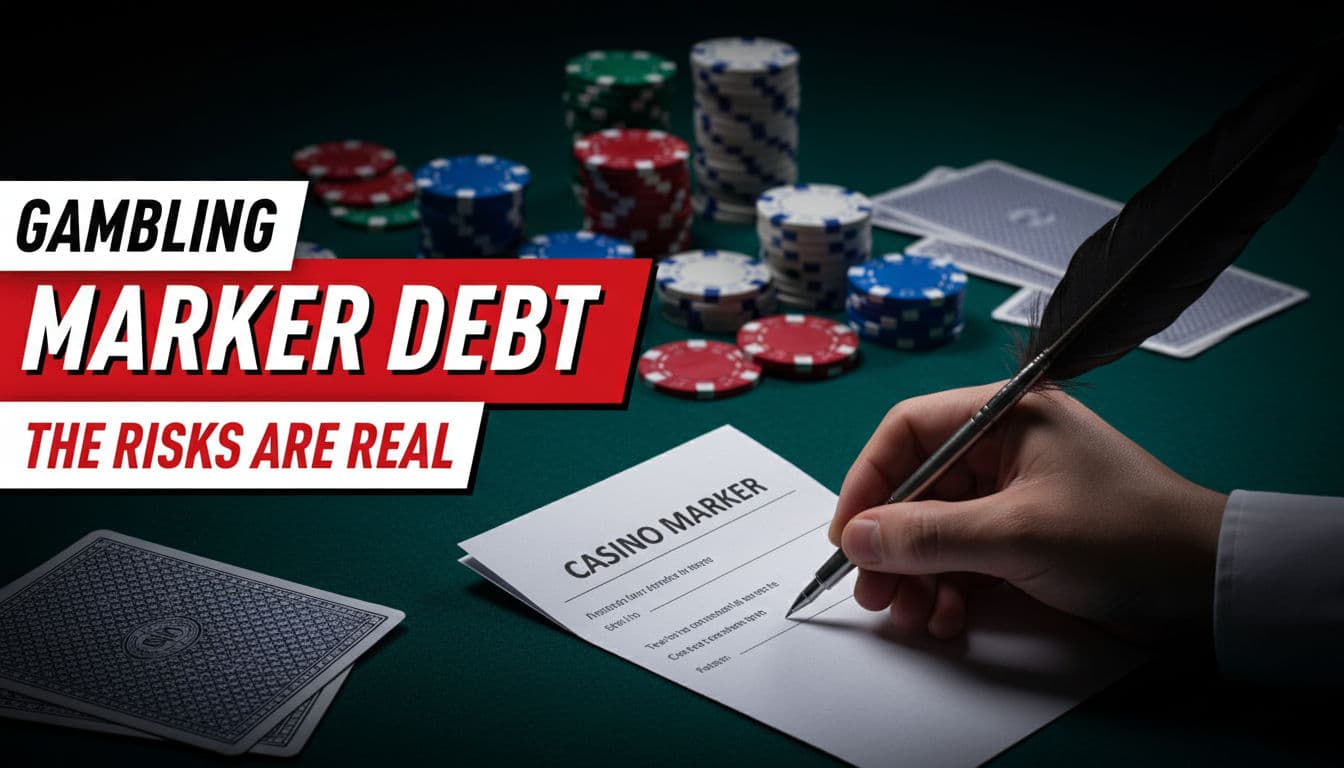
A casino marker is a convenient way for players to access funds for gambling without carrying large amounts of cash. It functions as a line of credit extended by the casino, but legally it's treated like a check drawn against your bank account. Understanding how this form of casino credit works is crucial, as failure to repay a gambling marker can lead to serious legal and financial consequences.
What Exactly Is a Casino Marker?
When you hear the term casino marker, think of it as a special kind of check you write to the casino. It’s an interest-free line of credit that a casino offers to qualified players, allowing them to get chips at a gaming table without using cash. Instead of handing over money, you 'sign' for the funds, and the casino gives you chips. This convenience is a major draw for high rollers and regular players who prefer not to carry thousands of dollars in their pockets.
However, it's vital to understand that a gambling marker is not free money. It is a legally binding debt. The casino expects you to pay it back. In most jurisdictions, including Nevada, an unpaid marker is treated the same as a bad check, which can lead to criminal prosecution.
While traditional markers are a staple of physical establishments, a modern online casino typically operates on a "pre-funded" model, where players must deposit their own capital before playing, ensuring a safer and more transparent environment for both the platform and the user.
How to Get a Casino Line of Credit
Obtaining a casino line of credit isn't automatic; you have to apply for it. The process is similar to applying for any other type of credit.
Application: You'll need to fill out a detailed application form. This includes personal information, employment details, and banking information.
Credit Check: The casino will run a thorough check on your credit history and your banking records. They need to verify that you have sufficient funds in your account to cover the amount of credit you're requesting.
Approval: If your financial standing meets their criteria, the casino will approve you for a specific credit limit. This limit can range from a few thousand to hundreds of thousands of dollars, depending on your financial profile.
"Players should treat a marker with the same seriousness as a personal check written to any other business. The legal framework is designed to protect the casino, and the consequences for default are severe." - Gaming Law Expert
Using and Paying Back a Casino Marker
Once your line of credit is approved, using it is simple. When you're at a table, you ask the pit boss for a marker. You'll sign a document, which looks like a check, and the pit boss will provide you with the equivalent value in chips. The signed marker is held by the casino in the cage.
The Repayment Process
When it comes to paying back a casino marker, you have a few options. The standard agreement is that the marker must be paid back within 30 days, although this can vary. Here's how it typically works:
Using Your Winnings: The easiest way is to pay it off before you leave the casino. If you have a good run, you can take your winning chips to the casino cage, and they will use them to buy back your marker.
Direct Payment: You can send a check or wire transfer to the casino within the agreed-upon timeframe.
Bank Draft: If you don't pay within the specified period, the casino will deposit the marker, like a check, into your bank account. If the funds are not available, the check will bounce.
What Happens If You Default?
This is where casino marker laws become very serious. If the marker is presented to your bank and there are insufficient funds, the casino has powerful legal recourse. They will typically send a certified letter demanding payment. If you fail to respond and pay the debt, the casino can turn the matter over to the District Attorney's office. This can result in a warrant for your arrest on felony charges, such as writing a bad check or theft. The consequences include fines, potential jail time, and a damaged credit record.
Understanding the Risks
While a casino marker offers convenience, it also carries significant risks. The easy access to funds can encourage players to gamble more than they can afford, leading to substantial casino debt. Before applying for a line of credit, it's crucial to have a strict budget and the discipline to stick to it. Never take out a marker for more than you can comfortably repay from your bank account. A marker is a tool for convenience, not a source of extra gambling money.
| Pros | Cons |
|---|---|
Eliminates the need to carry large amounts of cash, which can be unsafe. Accessing funds is quick and easy right at the gaming table. | An unpaid casino marker is treated as a bad check, which can lead to criminal prosecution, fines, and even jail time in some jurisdictions. |
Players with a line of credit are often seen as valuable customers, which can lead to better comps, VIP treatment, and higher table limits. | The ease of accessing funds can lead to impulsive decisions and gambling beyond one's financial means, resulting in the rapid accumulation of significant debt. |
Related Casino Terms
Best Online Casinos

Vave
4.6Welcome Bonus150% up to 1.5 BTCCashback BonusVariable- Welcome Bonus
- 150% up to 1.5 BTC
- FTD Bonus
- 150% up to 1.5 BTC
- Cashback Bonus
- Variable
- Extra Bonus
- Free Spins
- Platforms


- Browser Support
- Yes
- Mobile Support
- No
- Crypto Support
- Yes
- License
- Republic of Costa Rica
Game types
 No Blackjack
 Baccarat
 No Bingo
 No Craps & dice
 Crash games
 eSports betting
 Jackpot games
 No Keno
 Live games
 Roulette
 No Scratch cards
 Slots
Slots Sports betting
 No Video poker
Payment methods


LTC Casino
4.4Welcome Bonus250% First Deposit Bonus up to $750Cashback BonusNo Cashback- Welcome Bonus
- 250% First Deposit Bonus up to $750
- FTD Bonus
- 250% up to $750
- Cashback Bonus
- No Cashback
- Platforms
- Browser Support
- Yes
- Mobile Support
- No
- Crypto Support
- Yes
- License
- No License
Game types
BlackjackBaccaratNo BingoNo Craps & diceCrash gamesNo eSports bettingJackpot gamesNo KenoLive gamesRouletteNo Scratch cardsSlotsNo Sports bettingNo Video pokerPayment methods


Jack
4.6Welcome Bonus100 Free Spins + Risk-Free Sports BetCashback BonusUp to 30%- Welcome Bonus
- 100 Free Spins + Risk-Free Sports Bet
- Cashback Bonus
- Up to 30%
- Extra Bonus
- 100 Free Spins
- Platforms
- Browser Support
- Yes
- Mobile Support
- No
- Crypto Support
- Yes
- License
- Curaçao Gaming Control Board
Game types
BlackjackBaccaratNo BingoNo Craps & diceCrash gameseSports bettingJackpot gamesNo KenoLive gamesRouletteScratch cardsSlotsSports bettingNo Video pokerPayment methods


Duel
4.2Welcome Bonus50% Instant RakebackCashback BonusFix 50%- Welcome Bonus
- 50% Instant Rakeback
- Cashback Bonus
- Fix 50%
- Extra Bonus
- 100% RTP Games
- Platforms
- Browser Support
- Yes
- Mobile Support
- No
- Crypto Support
- Yes
- License
- License No. ALSI-202411026-FI1.
Game types
No BlackjackBaccaratBingoCraps & diceCrash gameseSports bettingJackpot gamesNo KenoLive gamesRouletteNo Scratch cardsSlotsSports bettingVideo pokerPayment methods

Stake US
4.6Welcome BonusFree 25 SC + 250K Gold Coins- Welcome Bonus
- Free 25 SC + 250K Gold Coins
- Extra Bonus
- 1 Stake Cash + 10,000 Gold Coins Free - Every Day
- Platforms
- Browser Support
- Yes
- Mobile Support
- No
- Crypto Support
- Yes
- License
- Sweepstakes (US Federal Law)
Game types
BlackjackBaccaratNo BingoCraps & diceCrash gamesNo eSports bettingNo Jackpot gamesNo KenoLive gamesRouletteScratch cardsSlotsNo Sports bettingNo Video pokerPayment methods

Shuffle US
4.7Welcome BonusFree 1 Shuffle Coin + 25,000 GC- Welcome Bonus
- Free 1 Shuffle Coin + 25,000 GC
- Extra Bonus
- Daily Log in Bonus
- Platforms
- Browser Support
- Yes
- Mobile Support
- No
- Crypto Support
- Yes
- License
- Sweepstakes Model — Munyon Canyon Ltd (BVI)
Game types
BlackjackBaccaratNo BingoNo Craps & diceCrash gamesNo eSports bettingNo Jackpot gamesNo KenoLive gamesRouletteNo Scratch cardsSlotsNo Sports bettingNo Video pokerPayment methods