

Who Is Mikki Mase? Real Name, Prison Years, & Life (Part 1)

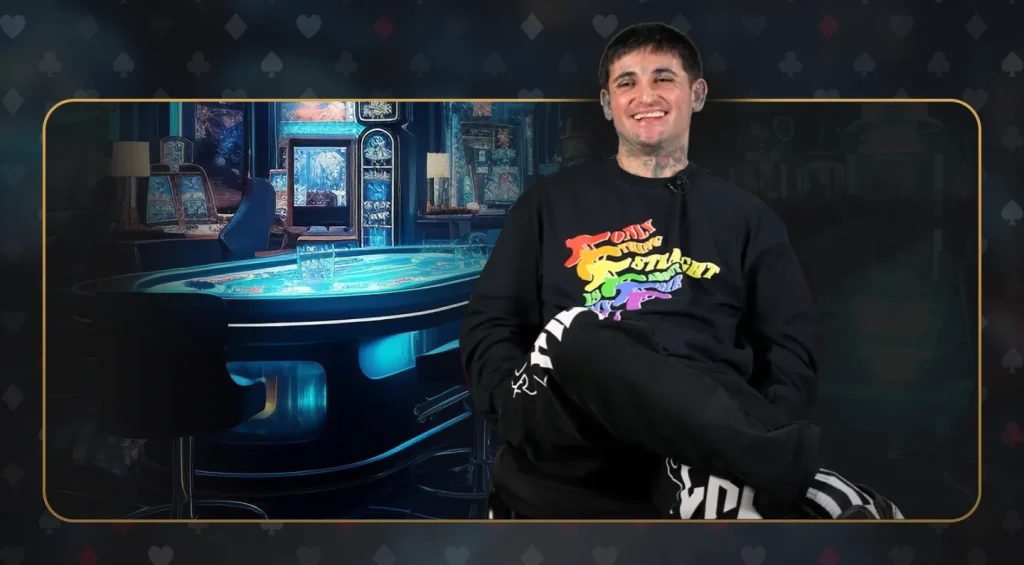
Mikki Mase is one of the most polarizing figures in modern gambling and internet culture. To some, he is the self-proclaimed King of Baccarat, a high-stakes operator who claims to have beaten casinos at their very own casino games and walked away with millions.
What makes his story compelling isn't just the money or the controversy. It's his background. Before the private jets, seven-figure bets, and celebrity proximity, there was a young man shaped by instability, addiction, and a deep distrust of institutions. Part 1 covers who Mikki Mase really is - his real name, nationality, family, prison years, and the early life that formed everything that came after. Part 2 covers his net worth, baccarat strategy, and casino bans.
Mikki Mase: Quick Facts (2026)
Detail | Info |
|---|---|
Real name | Michael David Meiterman |
Date of birth | October 27, 1991 |
Age (2026) | 34 years old |
Birthplace | Marlboro, New Jersey, USA |
Nationality | American |
Ethnicity | Jewish-American (grandfather was a Holocaust survivor) |
Height | Not publicly confirmed |
Current residence | South Florida (primary) - also active in Los Angeles |
Wife/partner | Not publicly disclosed |
Kids | Not publicly disclosed |
Sober | Yes - sober since his Florida turning point (circa 2013) |
Known for | High-stakes baccarat, gambling content, and casino bans |
Prison time | Approximately 6 years, juvenile detention (ages 15-21) |
Pre-gambling career | Addiction recovery industry (sold in 2018) |
Self-proclaimed title | King of Baccarat |
Mikki Mase's Real Name and Identity
Mikki Mase's real name is Michael David Meiterman. He was born on October 27, 1991, in Marlboro, New Jersey. He went by "Mike" during his earlier years before adopting the public persona "Mikki Mase" as he entered the gambling world and built his social media presence.
His Instagram handle - @dirtygothboi - reflects the aesthetic he built his brand around: dark clothing, heavy tattoos, high-stakes energy, and a deliberate contrast with the typical image of a Las Vegas high-roller.
On social media, searches frequently mix up his name. He is also referred to as Mickey Mase, Micki Mase, Miki Mase, and variations of "Mikki Gambler." These are all the same person - Michael David Meiterman - operating under one public identity.
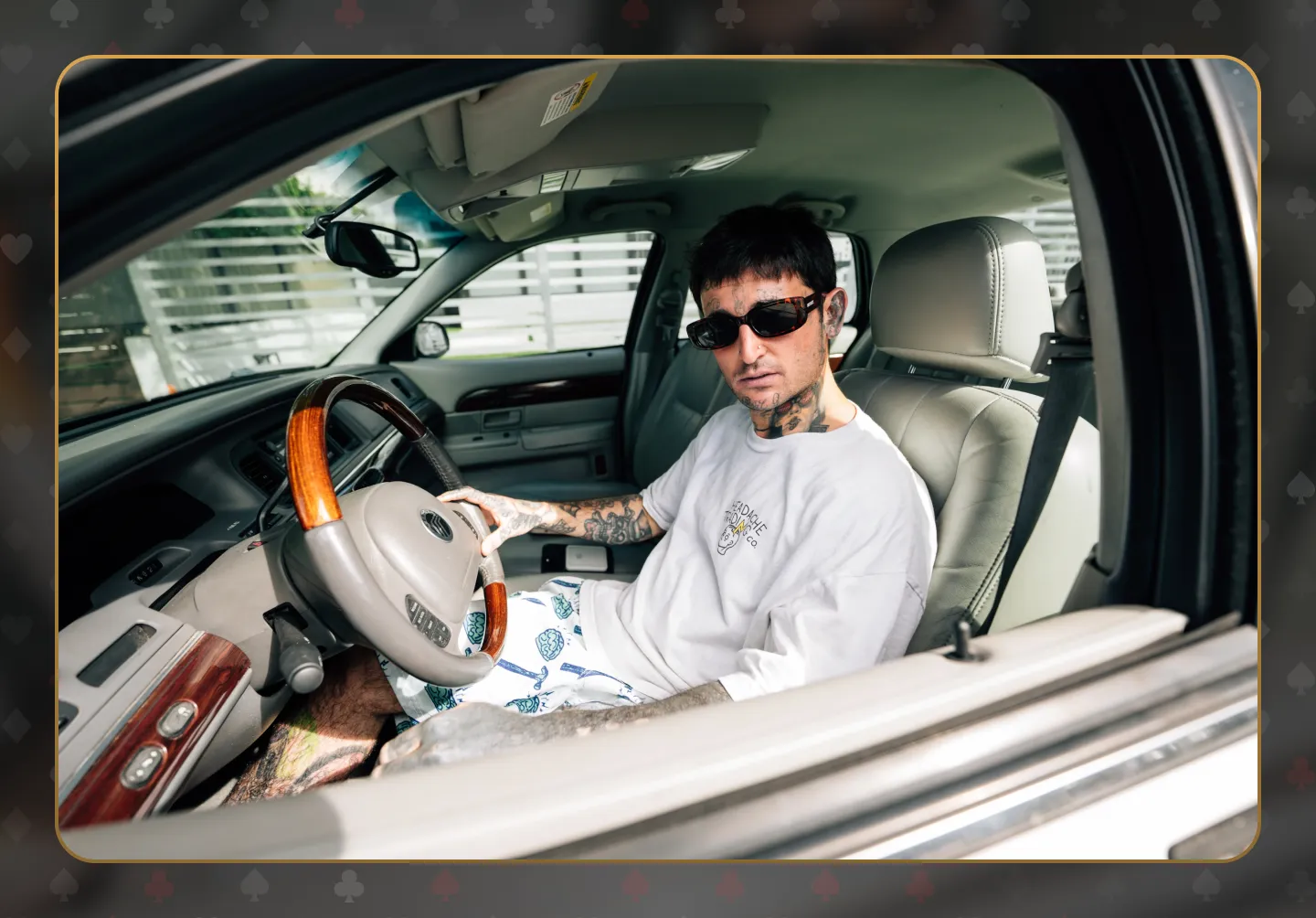
Mikki Mase Nationality, Ethnicity, and Family Background
Mikki Mase is American. He was born and raised in New Jersey and has lived primarily in South Florida since 2013. His nationality has never been in dispute, though searches around it are common - likely because his lifestyle, casino access, and claimed wealth invite questions about offshore residency or dual citizenship.
On ethnicity: Mase is Jewish-American. His grandfather, Michael, was a Holocaust survivor who immigrated to the United States after World War II. That family history is part of the Meiterman background, though Mase himself rarely discusses religion publicly and does not frame his identity through it.
His parents are Steven and Leah Meiterman. Steven Meiterman was a professional NHRA bike racer in the early 1990s and a businessman. His mother, Leah, has largely stayed out of the public spotlight. Mase has a brother named Mike.
Mase has described his upbringing as outwardly comfortable but internally fractured. The family lived in a two-parent household and did not initially experience significant financial hardship. The turning point came when his father was convicted in a federal racketeering case.
His Father's Conviction - The Collapse That Changed Everything
A major inflection point in Mase's childhood came when Steven Meiterman was sentenced to federal prison for racketeering. The family's financial security collapsed. Whatever trust Mase had in systems of authority went with it.
He has said this experience planted two beliefs that would shape his entire adult life:
Systems exist to protect themselves, not individuals.
Security can disappear overnight.
Both ideas resurface constantly in how he talks about money, casinos, and his approach to risk. His lifelong skepticism toward banks, governments, and corporations - including the casinos that eventually banned him - traces directly back to this period.
Mikki Mase's Early Life - Addiction and the Path to Prison
Mase has never hidden his early years. They are a central part of how he presents himself - and they are well-documented in public records and his own interviews.
He began using drugs around age 11, while still in middle school. By 13 or 14, he was selling marijuana and prescription pills - including Xanax and Percocet - primarily to older peers. He has described this as opportunistic rather than organized crime. His parents strongly and repeatedly opposed his behavior. Law enforcement contact came early and often.
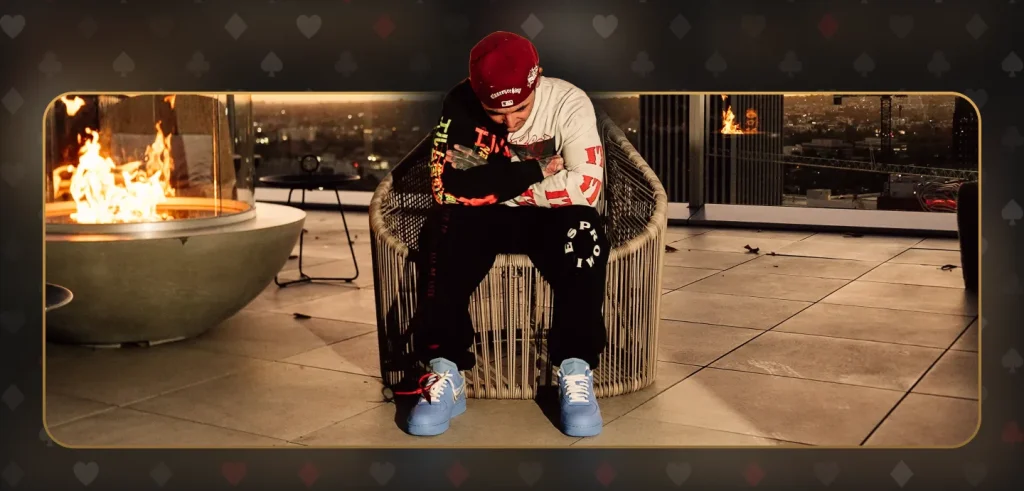
One family story stands out. Often referred to as the "casino uncle" story, Mase describes a great-uncle who once won partial ownership of a casino in a poker game - only to lose it back in the same session.
Mase says he doesn't see it as a legacy story. He sees it as a metaphor for volatility:
You can win big.
You can lose it faster.
Nothing is permanent.
That lesson stuck. And it would shape everything that came after.
Why Did Mikki Mase Go to Jail?
Mikki Mase went to jail due to drug-related offenses and associated criminal charges accumulated throughout his early teens. According to his own statements in interviews, such as with a highly popular podcast with DJ Vlad, Mikki Mase, his first stint in juvenile detention came at age 15. Between 15 and 21, he spent approximately six years in juvenile and correctional facilities.
Based on public records and his own interviews, Mase was not charged as an adult for violent offenses. His prison time was tied to substance-related crimes - drug possession, distribution, and associated charges from a period when heroin addiction had taken over his life entirely.
By his account, he accumulated more than a dozen arrests. Heroin addiction dominated his early twenties. He became homeless, estranged from family and friends, and cycling through legal trouble without any clear trajectory out.
Age | What Happened |
|---|---|
11-12 | Begins using drugs in middle school |
13-14 | Selling marijuana and prescription pills to older peers |
15 | First stint in juvenile detention |
15-21 | Approximately 6 years in juvenile and correctional facilities |
During incarceration | Earned his GED - claims to have taken the SAT while incarcerated |
Early 20s | Heroin addiction - homeless in New York City |
The prison years did not deter. Mase has said the fear of incarceration simply disappeared after surviving it repeatedly. His own framing of the psychology was direct:
"What's the worst that can happen? Send me somewhere I've already survived?"
This consequence desensitization - the removal of conventional fear - would later become central to how he approached gambling at stakes most people find unimaginable.
Is Mikki Mase in Jail Now?
No. As of April 2026, Mikki Mase is not in jail. He is active on YouTube and Instagram, has appeared at major industry events including the SiGMA iGaming summit, and continues to operate his "Funding Fans" staking model. His last confirmed legal issues were from his youth - the drug-related charges that preceded his 2018 business exit and transition to professional gambling.
Mikki Mase Accident - What Happened?
There are two separate Mikki Mase accident stories. Both are real. Both went viral.
Accident 1 - The Lamborghini Racetrack Crash
The older and more widely known story involves Mase's Lamborghini Huracán - valued at over $250,000 - being written off during a racetrack session at approximately 200mph at Las Vegas Motor Speedway. GoPro footage of the crash exists and has circulated widely across TikTok and YouTube.
Mase ended up in the hospital following the crash but walked away without life-threatening injuries. He has recounted the story across multiple podcast appearances - typically with the same detachment he applies to major gambling losses. The car was a total write-off.
There is also a separate angle to the Lamborghini story: the vehicle was reportedly gifted to him by a Las Vegas casino as part of a high-roller comp arrangement, making the write-off both a personal and reputational moment for the casino relationship.
Accident 2 - The April 2026 Crash (Most Recent)
On April 25, 2026, Mase published a short video on his own YouTube channel titled "Mikki Mase Walked Away From This Crash." In this incident, he was a backseat passenger - not driving. The crash was described as serious. He walked away, and footage shows him in a hospital bed shortly after, laughing with a friend.
This is the incident driving current "mikki mase accident today" and "mikki mase accident 2026" searches. He is alive and unhurt. The clip has accumulated over 42,000 views in its first 48 hours on his official channel - shared as a survival story, not a news emergency.
His current vehicle portfolio - a McLaren Artura (part of a dealership trade deal) and a Mercedes-Maybach S-Class as his daily driver - replaced the written-off Lamborghini. The full car and lifestyle breakdown is in Part 2: Mikki Mase Net Worth.
Rock Bottom - Homelessness and Survival
Following years of addiction and instability, Mase became homeless, spending time in camps in New York City. He has spoken openly about this period as one defined by survival rather than ambition. Food, shelter, and safety took priority over everything else.
He has broadly referenced "hustling" during this time, without providing any details. Many of these claims remain unverified, but the psychological throughline is consistent: by this stage, traditional deterrents no longer worked. Fear had been replaced by adaptation.
The Turning Point - Florida, Sobriety, and the Comeback
The turning point came through an unexpected opportunity. According to Mase, he was offered a place to stay in Florida under one condition: get sober and work.
He accepted.
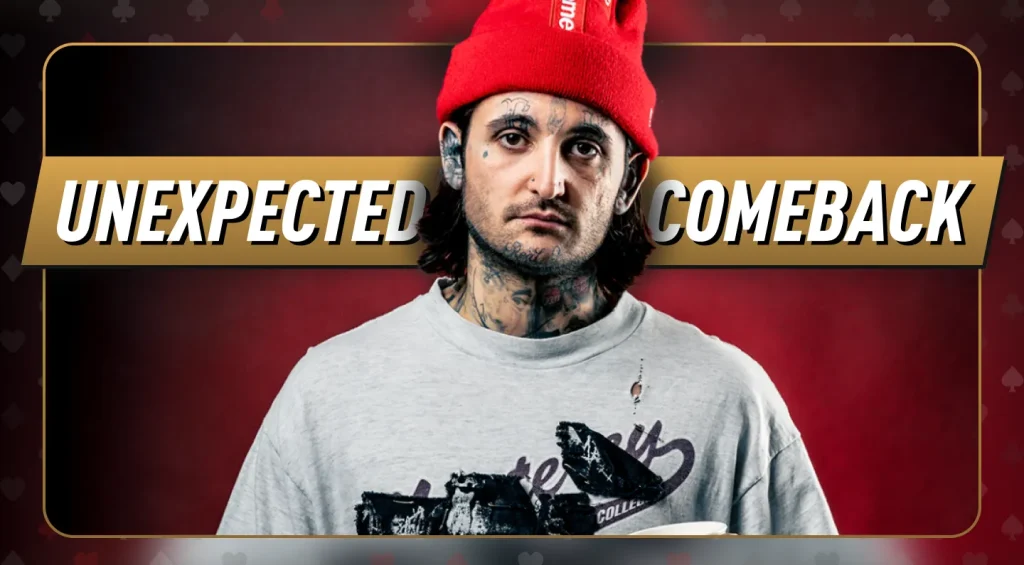
In interviews, he has described working as a day laborer in Miami, earning roughly $100 a day doing physically demanding jobs. He claims to have saved aggressively, operating with a level of discipline that contrasted sharply with his earlier years.
This period marked the first time Mase applied structure to his life, not because he embraced the system, but because it served his survival.
Is Mikki Mase Sober?
Yes. Mase has maintained sobriety since his Florida turning point, which he places around 2013. Sobriety is a core part of his public narrative and something he references regularly in long-form interviews. His path through addiction recovery - and later into running the rehabilitation centers that would fund his gambling career - is inseparable from his identity as a public figure.
He has not publicly relapsed, and no credible reports suggest otherwise as of April 2026.
Selling the Business and Walking Away With Millions
Mase’s next transformation occurred inside the addiction recovery industry.
After finding work at a rehabilitation facility, he says he began to understand the economics behind treatment centers, clinics, and pharmacies. Over time, he claims to have launched his own operations, expanding into multiple facilities and related businesses.
By his account, these ventures grew rapidly.
In 2018, he exited the industry entirely, selling his interests and walking away with what he describes as his first true bankroll. That capital would later fund his transition into full-time gambling.
Notably, Mase has since criticized the rehab industry as “predatory,” describing it as a system that profits from relapse rather than recovery, a view shaped by both his personal history and business experience.
Mikki Mase Wife and Personal Life
Mase keeps his personal life tightly private. He has not publicly confirmed whether he has a wife or a long-term partner.
The clearest glimpse into his personal life came in a reflective interview on the Soft White Underbelly podcast, where he described the happiest period of his life. It was not a casino win. It was a nine-month stretch living remotely with his girlfriend and two close friends - riding dirt bikes daily, no schedules, no cameras, no stakes. He referenced her during that period but has not named her publicly.
Beyond that account, he has made no public statements about a wife, engagement, or marriage. Searches for "Mikki Mase wife" are common, but there is currently no confirmed public information available.
Does Mikki Mase Have Kids?
Mase has not publicly disclosed having children. No credible reports confirm kids. Given how carefully he protects his personal life, it is possible - but there is no verified information available as of April 2026.
Is Mikki Mase Still Active? (Addressing the "Dead" Searches)
Yes. Mikki Mase is alive and active as of April 2026. His YouTube channel - @Mikki_Mase - has surpassed 650 million views since launching in March 2024 and continues to grow through short-form content. His Instagram account, @dirtygothboi, has nearly 1 million followers. He appeared at the SiGMA iGaming summit in 2026 and continues to operate his "Funding Fans" staking model.
Searches for "Mikki Mase dead" periodically spike on social media - typically triggered by decontextualized clips or deliberate rumors. There is no basis for these claims.
Where Does Mikki Mase Live?
Mase's primary residence is in South Florida, where he has been based since 2013. He has described this as his home base throughout his business years and beyond. He is also frequently in Los Angeles - where he played underground card rooms before moving to Las Vegas - and travels regularly for poker events, content creation, and industry appearances.
He does not publicly disclose his specific address, which is consistent with his general approach to personal privacy outside of gambling and content.
Early Exposure to Risk - The Gambling Instinct Before the Casinos
Mase claims his relationship with gambling began unusually early. He says he played cards for money at family gatherings as a child - learning not just the mechanics of games but the emotional dynamics of winning and losing in real time.
To counter the emotional pull of gambling, he claims to have adopted radical emotional detachment. Money, in his system, becomes abstract:
"It's only money when you buy in and cash out. In between, it's just chips."
The Mindset Before the Money
By the time Mase ever placed a serious bet, he wasn't chasing excitement or escape. Those impulses had burned themselves out years earlier.
What remained was something colder and more controlled.
Years of instability had conditioned him to watch systems rather than trust people - to recognize pressure points and detach emotionally from outcomes he couldn't control. Risk wasn't a thrill. It was a variable. Loss wasn't personal. It was data.
That mindset didn't guarantee success. It didn't make him special. And it certainly didn't make gambling safe.
But it explains why, when casinos entered his world, he approached them differently than most players ever would - not as entertainment, not as hope, but as an environment to be studied.
In Part 2, we examine what happened when that mindset met Las Vegas casinos, livestream poker, the baccarat strategy that allegedly made him $32 million, and the public scrutiny that followed. Read Part 2: Mikki Mase Net Worth, Baccarat Strategy and Casino Bans.
Ready to Put Your Strategy to the Test?
If you’ve been inspired by the Mikki Mase baccarat strategy and want to test your own edge, we recommend these two platforms. They are the top-rated crypto gambling destinations in 2026.
For Casino & Baccarat: Check out our 2026 CoinCasino promo code article to get a 200% bonus up to $30,000 and 50 Super Spins (Promo Code: SMPBONUS).
For Poker: Visit our detailed 2026 CoinPoker promo code page to get a 150% bonus up to $2,000 and a fix 33% rakeback. (Promo Code: SMPBONUS).
Both platforms offer No-KYC registration and instant crypto withdrawals, making them the perfect choice for modern high-roller players.
Responsible Gambling: Gambling should always be entertainment. If you feel it's becoming a problem, visit BeGambleAware.org for free, confidential support.
Editor’s Note
This two-part series examines Mikki Mase as a public figure, his background, and the claims he has made across interviews, podcasts, and livestream appearances.
Quotes, anecdotes, and explanations are presented for contextual and journalistic purposes only. Claims are clearly identified as such and should not be interpreted as verified facts, endorsements, or gambling advice.
Responsible Gambling
Mikki Mase's story is one of the most dramatic in modern gambling culture. It is not a template. The circumstances that produced his results - years of capital-building, addiction survival, emotional conditioning, and deliberate preparation - are not replicable by following a strategy guide.
Gambling should always be entertainment, played with money you can afford to lose. If it stops feeling that way, free and confidential help is available:
USA: National Council on Problem Gambling - 1-800-522-4700
International: GamblingTherapy.org
Editorial note: This article examines Mikki Mase as a public figure based on his own statements in interviews, public records, and verified reporting. Claims are identified as such and should not be interpreted as verified facts or gambling advice.
About the Editor
Since early 2025, I've covered iGaming promotions, online poker platforms, and player stories for SomuchPoker. I discovered poker at 14 during the poker boom, and I've played cash games, online tournaments, and live events ever since.
Related News
 StoriesNews
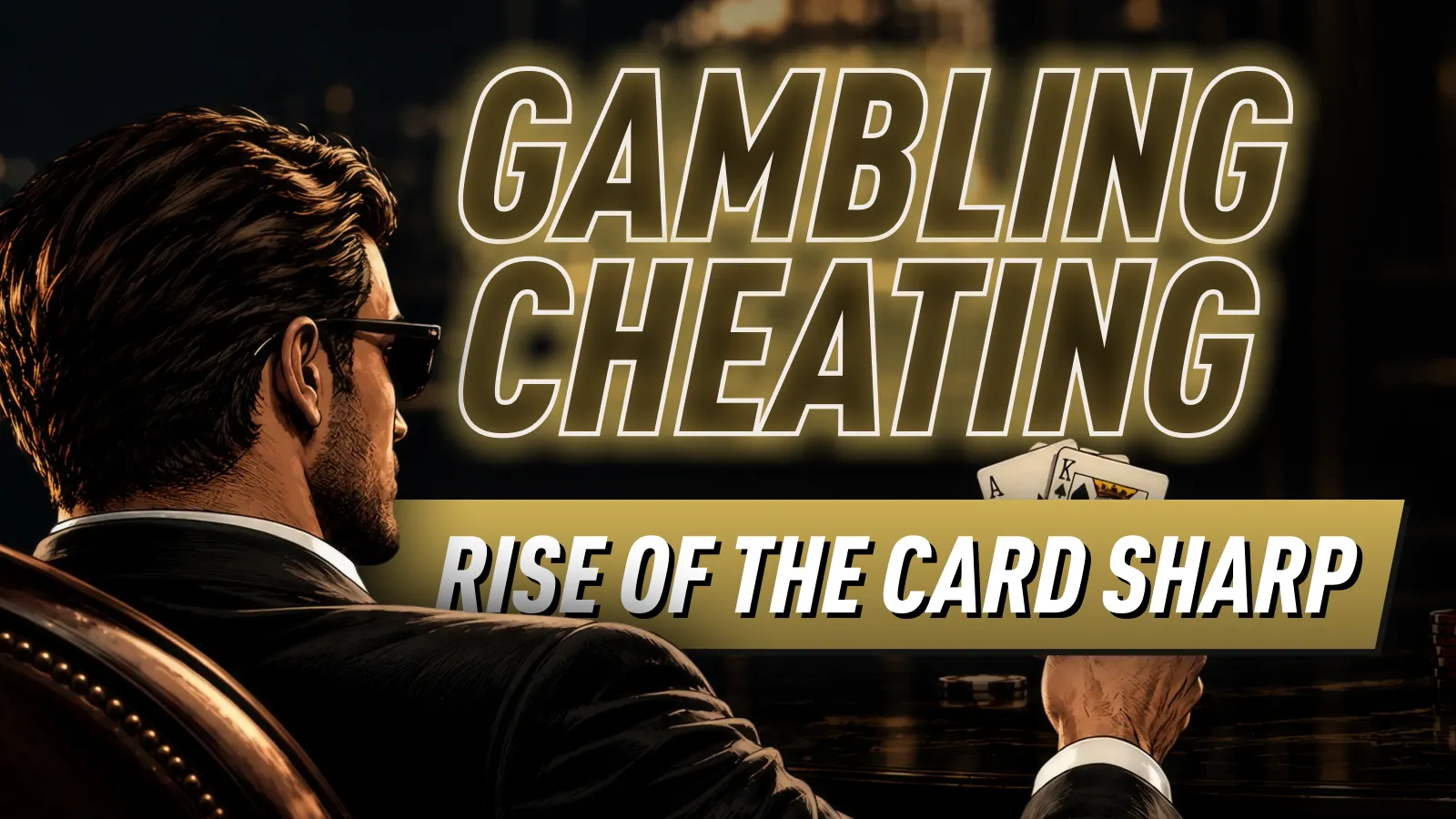
The Rise of the Card Sharp: Inside 19th-Century Gambling Cheating
Explore how 19th-century card sharps used marked cards, false shuffles, second deals and collusion to cheat at Faro, poker and other popular gambling games.
 NewsLive Poker
Scheduled Maintenance: Live and Player Profiles Temporarily Offline
Somuchpoker is moving to a new server. Live and Player Profiles will be offline for a few days. Here is what to expect and when we are back.
 NewsOnline PokeriGaming
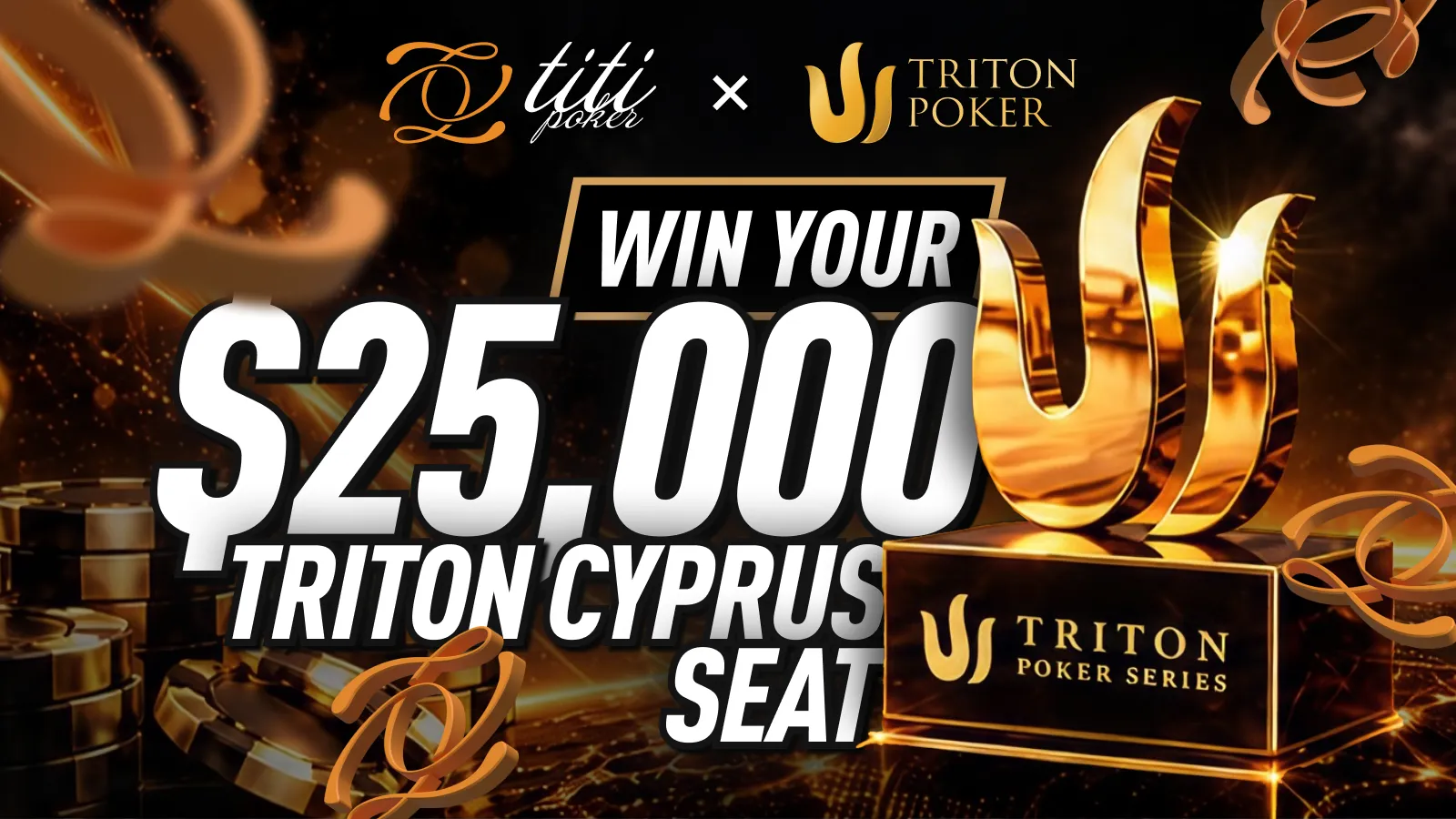
Road to Triton Cyprus: Win a $25,000 Seat at Titi Poker
Join the Road to Triton Cyprus at Titi Poker. Start free on Oct 6, climb the satellite ladder and win one of 3 guaranteed $25,000 tickets.
 NewsOnline PokeriGamingPromotion
GGPoker and Natural8 $18M October Giveaway
Win your share of $18M in the GGPoker and Natural8 giveaway this October. Cash drops, Halloween Party, leaderboards - plus a welcome bonus.
 NewsOnline PokeriGaming
Andrii Novak Wins the GGPoker WSOP Online Main Event for $3.93M
Andrii Novak beats Simon Beckmann to win the 2026 GGPoker WSOP Online Main Event for $3.93M. Full final table results, payouts and stats.
 iGamingNews
PokerStars B2B Network Opens Its Doors: A Game-Changer for Online Poker
The PokerStars B2B network is officially open. Discover how this new white-label platform and shared liquidity will change the online poker industry.