

Tom Goldstein Trial Verdict: High-Stakes Poker Player Found Guilty

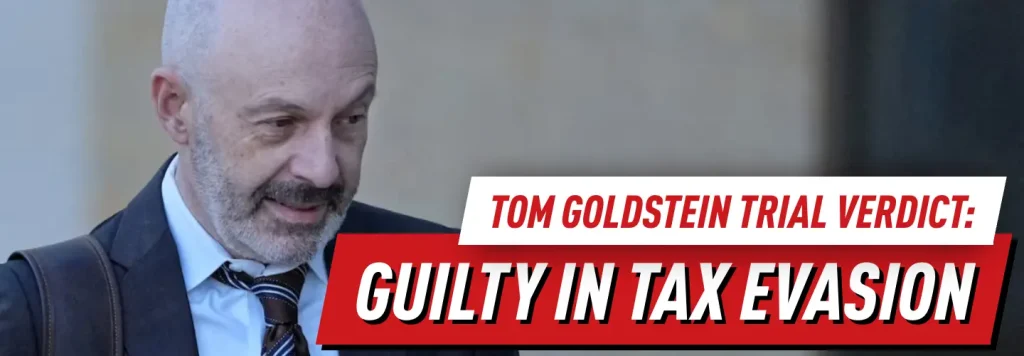
The legal battle for one of the poker world’s most interesting figures has come to an end. The Tom Goldstein trial verdict has been in the media spotlight lately. The famous lawyer, known for his work with the Supreme Court, has been found guilty. On February 25, 2026, a federal jury in Maryland delivered a verdict that could change the legal landscape for high-stakes gamblers everywhere.
Goldstein was convicted on 12 different counts. These include tax evasion, filing false tax returns, and failing to pay taxes. The case centered on millions of dollars he won in private, high-stakes poker games over the last several years.
A High-Stakes Double Life
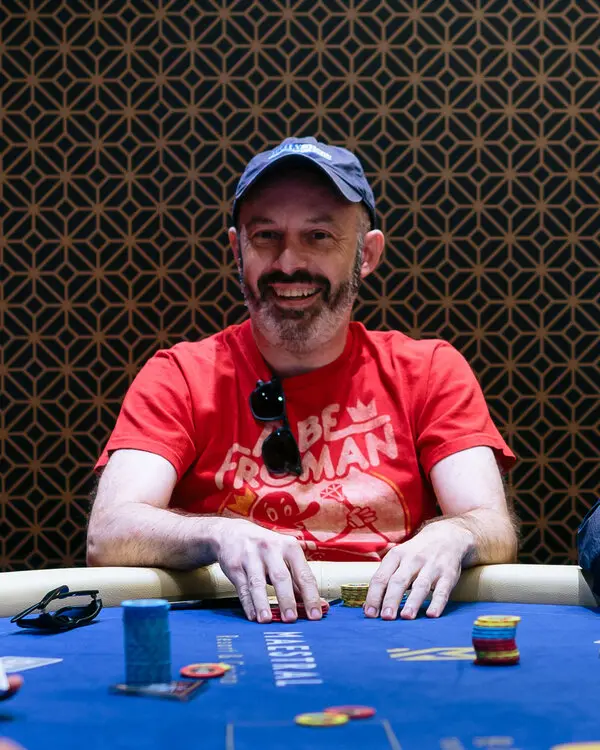
For years, Tom Goldstein lived two lives. In one, he was a top-tier attorney and the founder of the popular legal site SCOTUSblog. In the other, he was a "whale" in some of the world's biggest poker games.
Prosecutors argued that Goldstein hid his poker winnings from the IRS. They also claimed he used money from his law firm to pay off massive gambling debts. In court, the jury heard stories of secret ledgers and private games involving some of the wealthiest people on the planet.
The Massive Poker Numbers
During the trial, the public got a rare look at just how much money was moving through these private games. Goldstein wasn't just playing for fun; he was playing for tens of millions of dollars.
Opponent | Result | Amount |
|---|---|---|
Andy Beal | Win | $51 Million |
Alec Gores | Win | $26.4 Million |
Bob Safai | Loss | $14 Million |
Total Career Profit | Win | Over $88 Million |
While Goldstein claimed to have won over $88 million in his career, the government said he didn’t pay his fair share of taxes on that income. Tax evasion is a serious crime in which someone intentionally avoids paying the taxes they owe to the government.
The Defense Failed to Sway the Jury
Goldstein’s legal team tried to argue that he wasn’t a criminal, just a bad bookkeeper. They claimed his tax errors were "catastrophic mistakes" made by his accountants. They argued that his busy life as a lawyer and a poker pro made it hard to keep track of every dollar.
However, the jury didn't buy it. They decided that Goldstein "willfully" broke the law. In legal terms, "willfully" means he knew what the tax laws were but chose to ignore them anyway.
What Happens Next After the Tom Goldstein Trial Verdict?
Now that the case left the courtroom and the Tom Goldstein trial verdict is in, the focus shifts to sentencing. Goldstein faces a maximum of five years in prison for each tax evasion count.
While he once argued cases in front of the highest court in the land, he may now spend significant time behind bars. This case serves as a major warning to all poker players: the IRS is always watching the pot.
How Does This Affect Other High-Stakes Pros?
The IRS has publicly stated they are ramping up audits on anyone who reports a high volume of "W-2G" forms (the forms casinos send when you win a tournament or jackpot).
New Thresholds: In 2026, the reporting threshold for many games was lowered, meaning the IRS has more data than ever on who is winning.
Digital Paper Trails: With the rise of regulated online poker and electronic "player cards" at live casinos, the IRS can now track a pro's activity much more easily than in the "cash and duffel bag" days.
The takeaway message is simple: stay on the lawful, safe, and secure side whenever you gamble live or play online poker in a regulated environment.
About the Editor

Beus Zsoldos is Somuchpoker's Senior Copywriter and Player Stories Editor, covering WSOP color moments, player profiles and poker personalities for the site's Stories section. She has spent more than 20 years around the game, first as a player, then as a live tournament director and localization manager for a major online poker room, before moving into full time poker writing.
Related News
 iGamingOnline CasinoStories
SteveWillDoIt Net Worth 2026: Gamdom Deal, Casino Streams and Biggest Wins
SteveWillDoIt net worth in 2026 - why it's $20M+, his $3.2M a month Gamdom claim, biggest slot wins and casino streams.
 Stories
Online Poker History: The Billion-Dollar Game That Changed Everything
Discover online poker history with Wladimir Taschner, from the early internet games and poker boom to Black Friday and today's high-tech tables.
 Legends of PokerStories
Bill Perkins: Net Worth, Poker Career and Biggest Bets
Discover Bill Perkins’ net worth, poker career, biggest prop bets, high-stakes cash games, Die With Zero philosophy and business background.
 Stories
Brandon Wilson Wins Super High Roller Bowl XI Title for $1.1 Million
Brandon Wilson wins Super High Roller Bowl XI for $1.1 million, defeating Nick Petrangelo heads-up after calling his river bluff to claim the title.
 iGamingOnline CasinoStories
Jack Doherty Signs With Shuffle - and Gets Banned From Posting Online
Jack Doherty signed with Shuffle Casino and is now banned from posting online. Noah Dummett confirms the 6-month deal. Full story here.
 Stories
Britney Sidelined as HCL Investigates Collusion Allegations
Hustler Casino Live has sidelined Britney Jing while reviewing collusion and staking allegations involving several poker players. Here's what we know about the ongoing controversy.