

Can Live Poker in India Survive the Ban? Lena Evans Investigates the Future of the Game

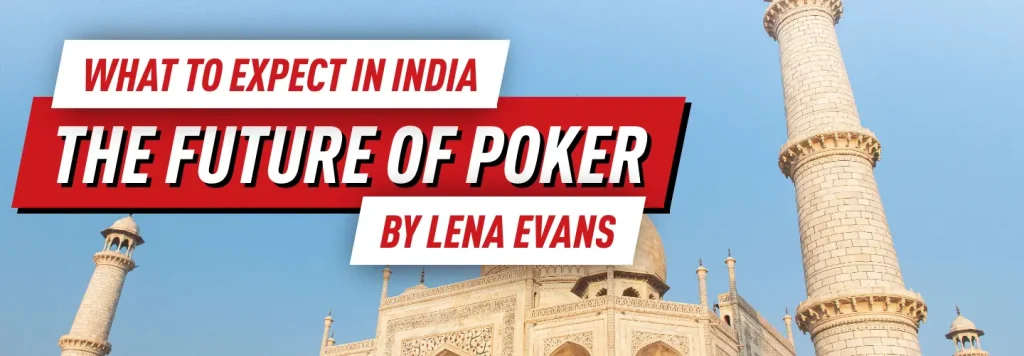
Introduction: A Journey of Discovery
Lena Evans is a name synonymous with resilience, strategy, and community in the world of poker. As a two-time World Series of Poker (WSOP) Circuit champion, she has proven her skills on the felt time and time again. But beyond her accolades as a player, Lena Evans is a philanthropist and a global builder of communities. She is the founder of the Poker League of Nations, an organization dedicated to empowering women through the game. She serves as the CEO of Helix Poker and Suited Poker Gear.

Recently, Lena Evans embarked on a transformative three-week journey to India. Her primary motivation wasn't just to play cards; she went to deepen the research for her upcoming book, The Mindful Competitor. She sought to explore the country's spiritual heart, hoping to find lessons in awareness and clarity. However, as is often the case with a mind tuned to strategy, she found her attention drawn to the state of live poker in India.
Her trip took her from the serene, spiritual centers of the country to the bustling, uncertain atmosphere of Goa's poker tables. She traveled through Delhi and Mumbai, eventually landing in the coastal state where live poker in India still thrives. There, she confronted a pressing question: What does the future hold for this game in a country where the digital landscape has been completely erased?
The Spiritual Backdrop and the Poker Mindset
Lena Evans began her journey seeking spiritual grounding. She spent time meditating beneath the historic Bodhi Tree at the Mahabodhi Temple, a site revered for its connection to the Buddha’s enlightenment. She walked through ancient locations shaped by centuries of devotion and discipline. In these places, she observed how spiritual practice and daily life in India are deeply intertwined.
For Lena Evans, these were not just tourist visits. They were living lessons in compassion, resilience, and "interbeing" - concepts she plans to explore in The Mindful Competitor. Interestingly, she found that these lessons followed her from the temples to the casinos. The clarity and emotional control required in meditation are not so different from the skills needed at a high-stakes poker table.
However, the tranquility of her spiritual journey stood in stark contrast to the turbulence she discovered in the Indian gaming industry. While India's culture offered timeless wisdom, the modern regulatory landscape delivered a sudden shock to the poker community.
The 2025 Online Gaming Ban: A System Shock
To understand the current state of live poker in India, one must first understand the seismic shift that occurred in August 2025. Lena Evans arrived in the country shortly after the Indian Parliament enacted the *Promotion and Regulation of Online Gaming Act*. This legislation was a sweeping ban on all real-money online games.
Overnight, the digital landscape changed. Popular platforms for poker, rummy, and fantasy sports were shut down. Lena Evans noted the immediate and devastating consequences of this decision. It wasn't just a minor regulatory hurdle; it was a complete shutdown of a thriving industry.
According to the data Lena Evans reviewed, roughly 140 million players were suddenly locked out of legal online play. This massive player base, which had been growing for over a decade, found itself with nowhere to go digitally. The economic impact was equally staggering. The online gaming sector, which generated an estimated ₹20,000 crore annually in GST revenue for the government, ground to a halt.
But the damage ran deeper than tax revenue. Tens of thousands of jobs evaporated. Professionals working in technology, customer support, media, and operations found themselves unemployed. Domestic platforms saw their traffic drop by 90% to 98% within weeks. Player balances were frozen as operators shuttered their businesses or exited the market entirely.
During her visit to Delhi, Lena Evans spent a day with Khurshid Ahmad, the co-founder of PokerProNews.com and a longtime friend. Khurshid Ahmad provided a local perspective on the crisis. He explained to Lena that the ban did more than interrupt daily gameplay; it fractured an entire ecosystem. This ecosystem had taken more than ten years to build, involving players, operators, and content creators. Now, everyone was left in regulatory limbo, waiting for answers that had not yet arrived.
The Reality of Live Poker in India
After understanding the devastation of the online sector, Lena Evans traveled to Goa to see what remained. Goa is one of the few jurisdictions where live poker in India remains legal. She made her way to the Deltin Royale, a well-known floating casino, to experience the game firsthand.
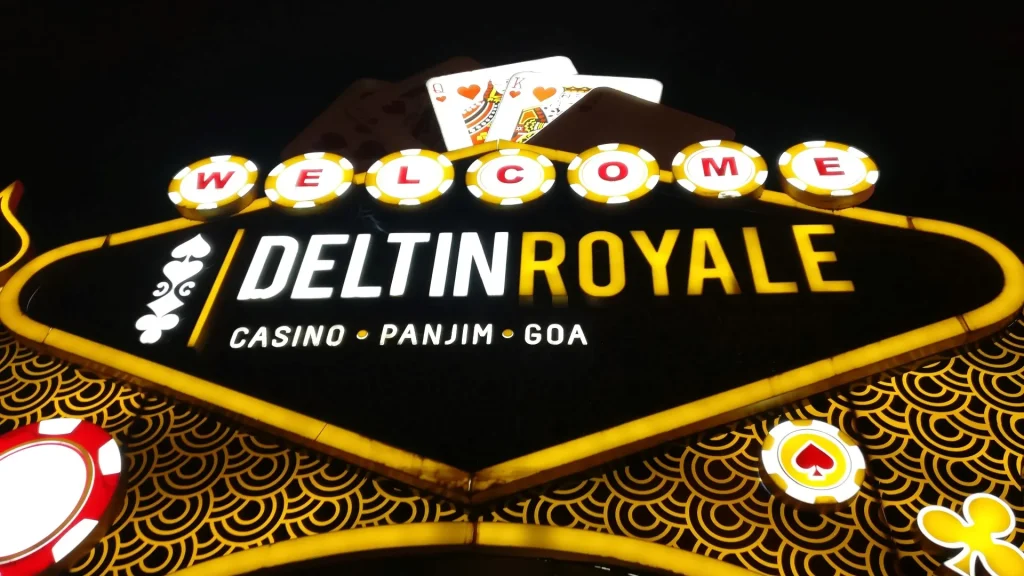
What she found was a mix of resilience and loss. Under the hum of ceiling fans and the scent of the river air, the game was indeed alive. She sat at a live cash table where the chips clicked softly, and the players were deeply engaged. The atmosphere was human and visceral, a stark reminder that poker is, at its core, a social interaction.
However, the limitations were obvious. Lena Evans observed that while cash games ran around the clock, the sport's broader structure was missing. No tournaments were running. There were no satellites to bigger events, no festival buzz, and no promotional banners exciting the crowd.
The community of regulars was strong. They refused to let the game disappear. Professional dealers dealt the cards, and international tourists mixed with locals. But Lena Evans noticed that the foot traffic was uneven. The growth of live poker in India felt constrained. This wasn't because people didn't want to play; it was because the infrastructure that supported them had vanished.
Khurshid Ahmad had been direct in his assessment when speaking with Lena. He argued that while live poker can survive in these pockets, it cannot replace the reach or structure of regulated online play. A model that relies solely on live venues limits accessibility. Without the online component to funnel players into live events, the game's long-term growth stalls. The ecosystem remains incomplete.
Two Mind Sports: Chess vs. Poker
During her time in Goa, Lena Evans experienced a fascinating juxtaposition. She attended the FIDE World Cup chess finals, an event that highlighted a glaring double standard in how India treats its mind sports.
At the chess event, Lena Evans spoke about her earlier book, The Poker Powered Brain. She watched as chess was celebrated as a symbol of intellect, discipline, and national pride. The event received institutional backing, massive media attention, and state recognition. It was clear that chess was viewed as a culturally significant pursuit.
In contrast, poker, which requires comparable levels of strategic thinking, emotional regulation, and probabilistic reasoning, has been pushed to the margins. Lena Evans realized that the difference between the two games wasn't a matter of cognitive merit. It was a matter of narrative.
Regulators and the public often view mind sports through the lens of history and perception. Chess is seen as a game of kings and scholars. Poker, unfortunately, is often classified by outdated assumptions rather than modern analysis. It waits outside the circle of understanding, viewed more as gambling than as a skill-based discipline.
This realization reinforced Lena Evans' belief in the game's value. The live tables in Goa proved to her that poker is not just a technological novelty or a simple gamble. It is a human discipline. It lives in decision-making under uncertainty, pattern recognition, and risk calibration. It tests patience and self-awareness—qualities that are essential in life, business, and leadership.
The Danger of the "Shadow Economy"
One of the most concerning aspects of the India online gaming ban is the creation of a "shadow economy." Lena Evans discussed this at length with Khurshid Ahmad. The ban on regulated platforms didn't stop people from playing; it just changed where they played.
With legal, regulated sites gone, millions of players didn't simply quit the game. Instead, they migrated to offshore sites, encrypted messaging apps, and unlicensed private games. Lena Evans noted that this shift might introduce serious risks for players.
The prohibition intended to reduce harm has, ironically, redistributed risk unevenly and dangerously. By pushing the Indian poker ecosystem into the shadows, the ban has made the environment less safe for everyone involved.
A Vision for the Future
Despite the grim current reality, Lena Evans sees a path forward. She believes that live poker in India can not only survive but potentially flourish. However, this will require deliberate and informed action from those in power.
Based on her observations and conversations, Lena outlined what a viable revival could look like:
Invest in Regulated Live Poker: The industry needs clear licensing and transparent operations. Structured tournament calendars tied to tourism could revitalize the scene in places like Goa.
Recognize Poker as a Game of Skill: This is crucial. Aligning with global legal precedents and academic consensus would shift the narrative. If chess can be a mind sport, so can poker.
Implement Responsible Gaming Frameworks: Regulation is the key to protecting players. Prohibition essentially abandons them to the black market. Robust safety measures are needed.
Reframe the Cultural Narrative: The story of poker needs to change. It should be highlighted for how it develops decision-making, emotional discipline, and analytical thinking—skills that are highly relevant to modern life.
Khurshid Ahmad’s position was pragmatic. He told Lena Evans:
“If safety is the goal, structure is the solution. Regulation, licensing, taxation, and oversight are more effective than censorship. You cannot govern what you refuse to understand.”
Conclusion: Reckoning or Rebirth?
Lena Evans concluded her trip with a mix of concern and hope. The ban has undoubtedly inflicted real damage. The shock was felt by players, operators, creators, and support staff alike. The fractured ecosystem will take time to heal.
But sitting at that live table in Goa, watching players lean forward with focus and intention, Lena Evans saw something unmistakable. She saw life. She saw strategy. She saw community.
Live poker in India is not dead. It is wounded. Whether it heals in the open or survives in the shadows depends entirely on what comes next.
On her final night in India, Khurshid Ahmad shared a poignant thought with her. He said:
“Poker's future will not be decided by whether people want to play. That much is already clear. It will be decided by whether the game is allowed to exist in the light.”
Lena Evans returned from her journey with a deeper understanding of the poker community's resilience. She saw firsthand that even when the chips are down, the spirit of the game endures.
via Poker.org
About the Editor

Beus Zsoldos is Somuchpoker's Senior Copywriter and Player Stories Editor, covering WSOP color moments, player profiles and poker personalities for the site's Stories section. She has spent more than 20 years around the game, first as a player, then as a live tournament director and localization manager for a major online poker room, before moving into full time poker writing.
Related News
 StoriesNews
The Rise of the Card Sharp: Inside 19th-Century Gambling Cheating
Explore how 19th-century card sharps used marked cards, false shuffles, second deals and collusion to cheat at Faro, poker and other popular gambling games.
 NewsLive Poker
Scheduled Maintenance: Live and Player Profiles Temporarily Offline
Somuchpoker is moving to a new server. Live and Player Profiles will be offline for a few days. Here is what to expect and when we are back.
 NewsOnline PokeriGaming
Road to Triton Cyprus: Win a $25,000 Seat at Titi Poker
Join the Road to Triton Cyprus at Titi Poker. Start free on Oct 6, climb the satellite ladder and win one of 3 guaranteed $25,000 tickets.
 NewsOnline PokeriGamingPromotion
GGPoker and Natural8 $18M October Giveaway
Win your share of $18M in the GGPoker and Natural8 giveaway this October. Cash drops, Halloween Party, leaderboards - plus a welcome bonus.
 NewsOnline PokeriGaming
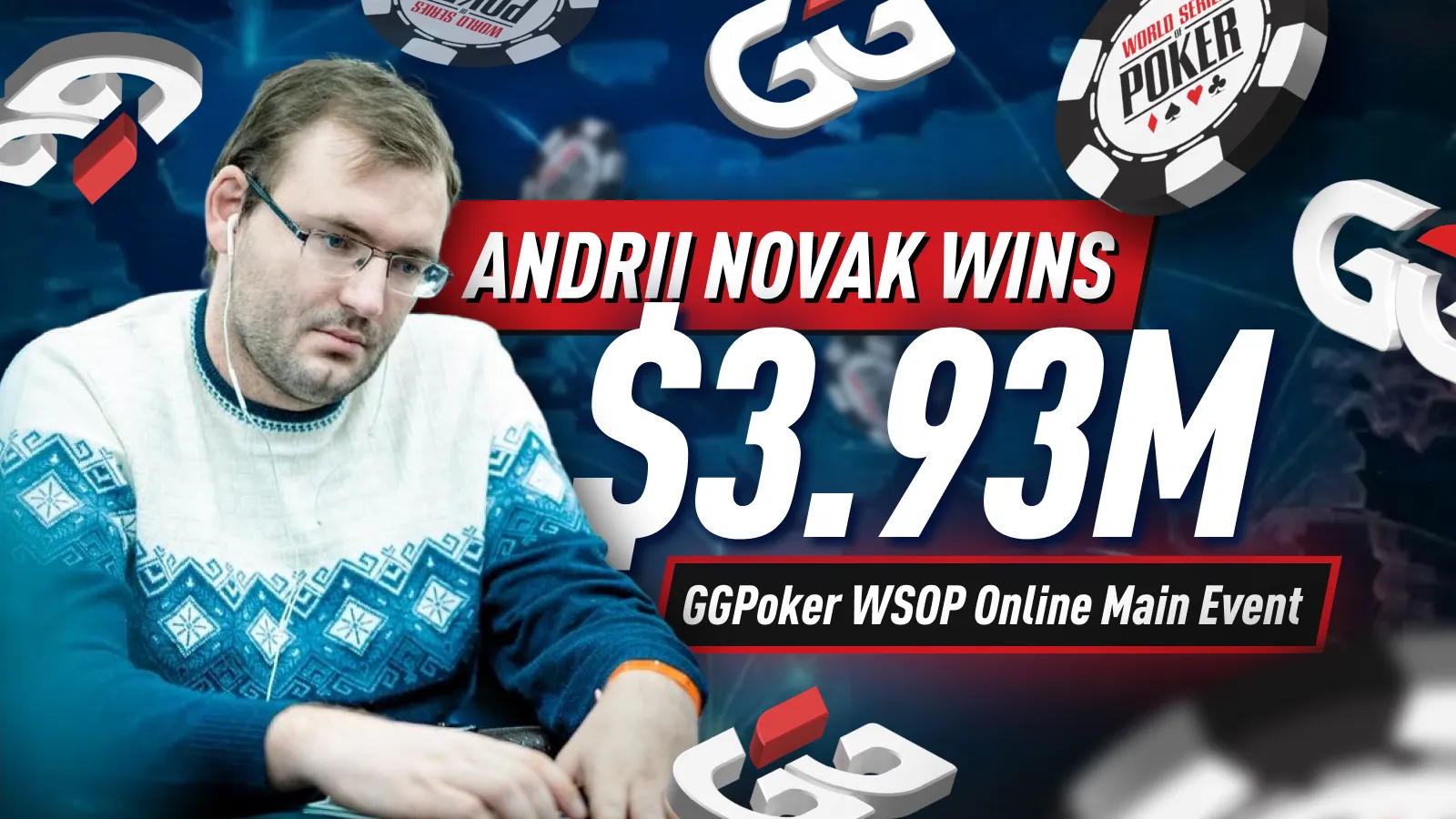
Andrii Novak Wins the GGPoker WSOP Online Main Event for $3.93M
Andrii Novak beats Simon Beckmann to win the 2026 GGPoker WSOP Online Main Event for $3.93M. Full final table results, payouts and stats.
 iGamingNews
PokerStars B2B Network Opens Its Doors: A Game-Changer for Online Poker
The PokerStars B2B network is officially open. Discover how this new white-label platform and shared liquidity will change the online poker industry.